

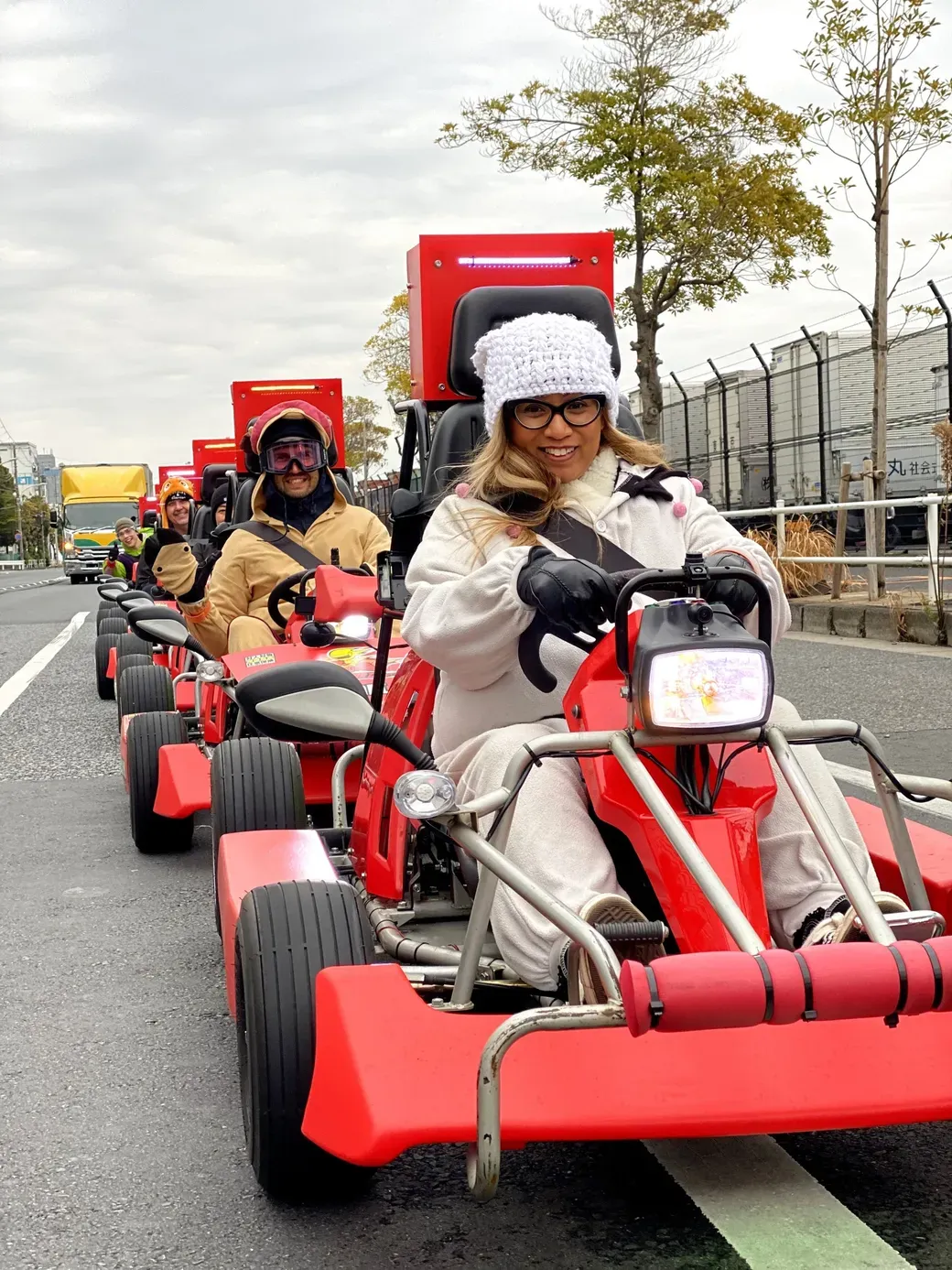
Street Karting in Japan: Seasonal Climate Guide and Best Clothing for Your Experience
When planning your street karting experience in Japan, understanding seasonal climate patterns and preparing appropriate clothing is key to a comfortable drive. Since go-karts on public roads have no roof, you’re directly exposed to weather conditions. This comprehensive guide explains the climate characteristics of each season and the optimal clothing for your street karting adventure.
Spring (March–May) Street Karting Experience
Spring is an ideal season for enjoying street karting in Japan. In urban areas like Tokyo, average temperatures gradually warm from 10–15°C (50–59°F) in March, to 15–20°C (59–68°F) in April, and 20–25°C (68–77°F) in May. This period coincides with cherry blossom season, and driving your street kart through tunnel-like sakura-lined streets is truly spectacular.
Layering is essential for spring clothing. Since mornings and evenings can be chilly, wear a long-sleeved shirt with a light jacket on top, allowing you to adjust as temperatures rise during the day. While driving, wind exposure makes the perceived temperature feel 3–5°C (5–9°F) colder than actual temperature. Additionally, spring is pollen season in Japan, so those with allergies should bring masks or sunglasses.
Summer (June–August) Heat Countermeasure
Japanese summers are hot and humid, with Tokyo’s July–August average temperatures reaching 28–32°C (82–90°F). During street karting, you’re exposed to direct sunlight and heat reflecting from the road surface, making thorough heat protection essential.
For summer street karting, breathable cotton or polyester fabrics are optimal. If planning an extended drive, apply sunscreen and choose a cap with a strap to prevent it from blowing away. Regular hydration is crucial. The official Street Kart website also advises on the importance of pre-experience hydration and rest breaks.
June is Japan’s rainy season (tsuyu) with frequent precipitation, so check weather forecasts beforehand and inquire with tour companies about rainy day policies. Most street karting companies offer rescheduling or refunds for rainy weather.
Autumn (September–November) Peak Season
Autumn, alongside spring, is the optimal season for street karting. While September still has lingering summer heat, October brings comfortable average temperatures of 18–22°C (64–72°F), and November cools to 12–17°C (54–63°F). During autumn foliage season, you can enjoy the luxurious experience of driving your go-kart beneath vibrant, color-changing street trees.
Like spring, layering is key for autumn clothing. Particularly from November onward, morning and evening temperatures drop significantly, so windbreakers or wind-resistant outerwear prove useful. Considering wind impact while driving, prepare a scarf or neck warmer for added comfort around your neck.
Winter (December–February) Cold Weather Preparation
Tokyo’s winter average temperature is 5–10°C (41–50°F), but wind exposure during street karting makes the perceived temperature even lower. However, with proper cold weather preparation, driving through crisp winter air is exhilarating. During illumination season, evening street karting experiences with night views are especially popular.
Winter street karting requires clothing that balances warmth retention with mobility. Use multiple layers: heat-tech material base layers, fleece or sweaters, topped with down jackets to preserve body heat. Choose thin gloves that don’t interfere with driving, and wear ear warmers or knit caps as needed. For footwear, combine thick socks with sneakers.
Essential Street Karting Checklist
Regardless of season, bring these items for your street karting experience. First, appropriate driving footwear is critical. Sandals, high heels, and platform shoes cannot be used for safety reasons. Choose comfortable shoes like sneakers.
Don’t forget your driver’s license. Since street karts operate on public roads, a valid driver’s license is required. For international travelers, you’ll need an International Driving Permit or a license valid in Japan. For detailed driver’s license requirements, check the official driver’s license page or contact tour companies directly.
Other recommended items include sunglasses, sunscreen, camera or smartphone, and seasonal rain gear or cold weather protection. While many street karting companies provide locker services, we recommend keeping belongings minimal during your drive.
Weather-Specific Precautions and Measure
Since street karting is fundamentally an outdoor activity, weather significantly impacts the experience. On sunny days, ensure thorough UV protection; on cloudy days, prepare rain wear for sudden showers. During strong winds, avoid easily blown-away hats or scarves, and those with long hair should tie it back securely.
Driving in rain reduces visibility and makes road surfaces slippery, so most tour companies cancel or postpone operations. Checking inclement weather policies before booking provides peace of mind. Additionally, on extremely hot or cold days, pay special attention to physical condition management and enjoy the experience within reasonable limits.
Summary: For a Comfortable Street Karting Experience
Street karting in Japan is a special activity that lets you physically experience the scenery of all four seasons. By understanding seasonal climate patterns and preparing appropriate clothing and belongings, you can enjoy a more comfortable and safe drive.
Before your experience, check weather forecasts and arrange necessary equipment. If you have questions about requirements like driver’s licenses, we recommend confirming details in advance. For detailed information and reservations, visit the official Street Kart website.
With proper preparation, fully enjoy your street karting experience as you dash stylishly through Japan’s streets.
